

 Home
Home 
A Healthy Local AlternativeGrass Roots Beef is naturally raised and pasture fed on Highland Farm in Wellington County, less than 2 hours from downtown Toronto. The cattle here at Highland Farm are kept out of crowded, unhealthy feedlots and instead are raised in their natural habitat -open pasture. Feeding large amounts of grain, even organic grain, to cattle that have evolved on rangeland eating grass, fills their meat with fat and calories, and diminishes nutritional value. Why is grassfed better?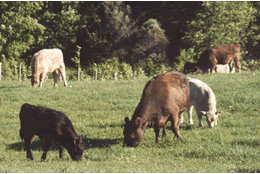
Grassfed BasicsWhat are "grassfed" animal products? Most ruminants, including cattle, sheep, goat, bison, are raised on pasture for the first months of their lives. The vast majority of them are then transported to distant feedlots where they are "finished" on a grain-based diet. At times, these animals are fed a variety of drugs and feed additives to speed their growth and to minimize the health problems that come from eating a grain diet and living in stressful, crowded conditions. This is the type of meat that you find in most grocery stores and restaurants. Even most organic meat is finished on grain and often in feedlots. Grassfed animals have a diet which consists of freshly grazed pasture during the growing season and stored grasses (hay or grass silage) during winter months or drought conditions. Read more >> |
Home Preparing
Order
About Farm
Contact Us
Preparing
Order
About Farm
Contact Us
© 2021 Grass Roots Beef. All right Reserved.